
Why Pathology Microscope Slides Use Ultra Clear Glass
Price and size are the usual concerns customers have when purchasing microscope slides. However, the type of glass itself affects factors such as clarity and imaging, both of which critically impact the accuracy of diagnoses.
Quality of glass concerns have increasingly drawn the attention of purchasing managers and lab professionals, who have been seen searching for terms like floating glass, low iron glass vs regular glass, and difference between low iron glass and clear glass.This article attempts to answer those concerns by presenting the history of glass, discussing the differences between float and low iron glass, and justifying Huida Medical's decision to use different glass materials in Standard Grade and Pathology Grade microscope slides.
The History of Glass: From Ancient Discovery to Modern Laboratory Materials
Glass has been an important part of the human story for over 5,000 years.
● Early Glass
Though Egyptian and Mesopotamian cultures both had glass around 3000 BC, Histories typically cite the Egyptians as having the first known culture to develop decorative glass from sand and soda ash.
Subsequent technology and machine development made glass products even more available across Europe.
● Industrial Revolution
Until the 20th century, most flat glass was manufactured by grinding and polishing, resulting in inconsistent thickness and high production costs.
A breakthrough came in 1959, when Sir Alastair Pilkington invented the Float Glass Process, revolutionizing the glass industry.
Understanding this process is of utmost importance to microscope slide manufacturing, as this process dominates slides manufacturing today.

Specification of Glass
| Classification | Common Types | Applications |
|---|---|---|
| By Manufacturing Process | Float Glass, Rolled Glass | Windows, laboratory glass |
| By Transparency | Regular Clear Glass, Low Iron Glass | Optical products, microscope slides |
| By Composition | Soda-lime Glass, Borosilicate Glass, Quartz Glass | Laboratory equipment |
| By Function | Tempered Glass, Laminated Glass, Coated Glass | Construction, automotive |
For microscope slides, Huida Medical primarily uses two types of glass:
Standard Float Glass
Low Iron Float Glass
What is Float Glass?
Float glass (also called floating glass) is made by pouring molten glass onto a bath of molten tin.
The molten glass naturally spreads into a sheet as it enters the annealing furnace, as it is designed to do.
● This process yields:Impressive flatness
●Uniform thickness
● Smooth surface
● Stable dimensions
● It also inherently lends itself to cheaper mass production.
● More than ninety percent of the world's flat glass is made using the float process.
● Standard microscope slides are typically made from float glass.
What Is Low Iron Glass?
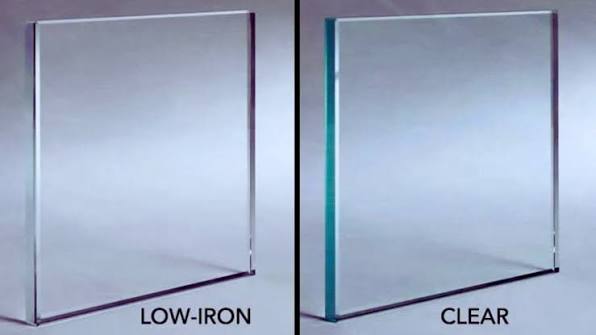
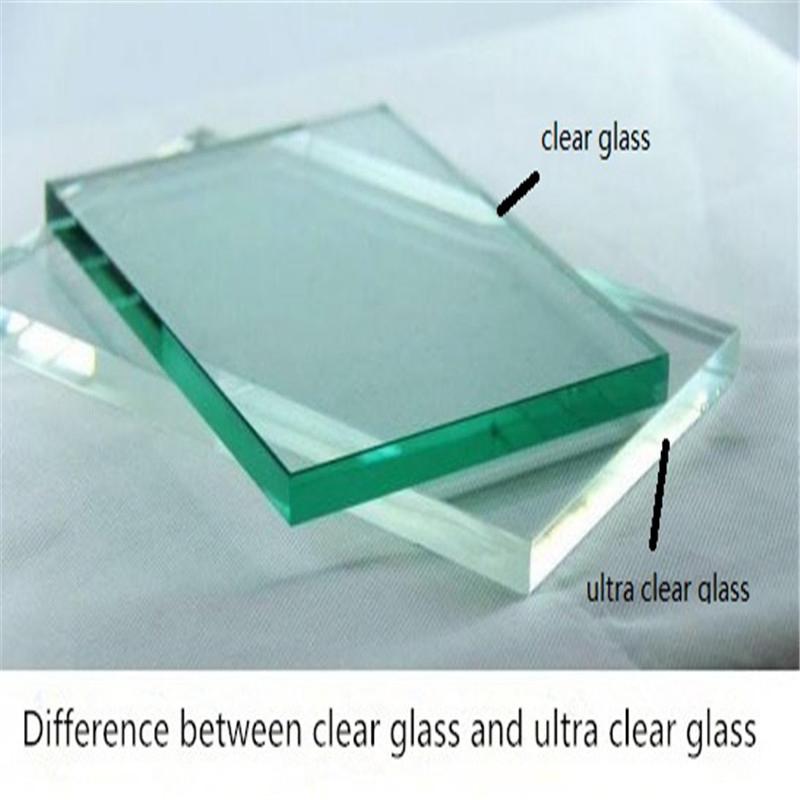
Also known as Ultra-Clear Glass, low iron glass contains less iron than conventional clear glass. As iron causes a green tint in normal glass, reducing iron content enhances glass's optical performance.
Some characteristics include:
● Superior light transmission (91-92%)
● Absent green tint
● Transparent appearance
● Superior optical clarity
●Increased color fidelity
Because of these properties, low iron glass has a broad range of use in:
● Imaging techniques in medicine
● Optical devices
● Photovoltaic applications
● Electronic displays
● Premium microscope slides
Low Iron Glass vs Regular Glass
| Feature | Regular Float Glass | Low Iron Glass |
|---|---|---|
| Iron Content | Higher | Much Lower |
| Color | Slight green tint | Crystal clear |
| Light Transmission | 86–89% | 91–92% |
| Optical Performance | Good | Excellent |
| Edge Appearance | Green | Almost colorless |
| Image Brightness | Standard | Higher |
| Suitable for Routine Lab Work | Yes | Yes |
| Suitable for Pathology Diagnosis | Acceptable | Highly Recommended |
| Manufacturing Cost | Lower | Higher |
In short:
● Floating glass refers to the manufacturing process.
● Low iron glass refers to the material quality.
Most low iron glass is also produced using the float process.
Why Does Huida Use Float Glass for Standard Slides?
Different laboratory applications require different optical performance.
Huida Medical manufactures microscope slides in two primary grades.
| Product Grade | Glass Material | Typical Applications |
|---|---|---|
| Standard Grade Slides | Float Glass | Education, routine laboratory work, microbiology |
| Pathology Grade Slides | Low Iron Float Glass | Histology, pathology, immunohistochemistry (IHC), cytology |
How to look for microscope slides?
Whether you want standard grade or pathology grade, the right glass choice can make your lab both more effective and cost efficient.
When you reach out to Huida, let us know:
● The volume you need
● Planned use
● Any specifications
● Your price range
● The country you will ship to
Our tech sales team will give you the best fit and cost based on your needs and provide a quote.
We are responsive to your requests, with solutions provided typically in 12 hours.
FAQ:
Is low iron glass the same as ultra-clear glass?
Yes. Low iron glass and ultra-clear glass are the same.
Is floating glass better than ordinary glass?
Yes. Float glass is flatter and thinner with better quality surfaces than standard glass, making it more appropriate for microscope slides.
What is the difference between low iron glass and clear glass?
Low iron glass has less iron oxide than clear glass, providing less green tint and better coatings that allow light to pass through better and perform better optically.
Why are pathology microscope slides made of low iron glass?
In pathology, color is critical for classifying stains. Poor chroma (unsaturated) appears dull and muddy. In addition, low iron glass provides outstanding transparency necessary for observing thin tissue sections. When fabricated into a high-quality thin slide, optimal contrast and enhanced brightness allow for improved image formation.
Does Huida make custom microscope slides?
Yes. Huida's services include OEM and ODM. We are able to customize both standard and non-standard slide dimensions and add frosted areas, logos, color coding, and a variety of packaged designs.
Post time:2026-08-05


